Lesson 1.
Modal verbs
Examples with modal verbs. Can and Have to
CAN
-Can is a modal verb that is used to talk about a general ability or capacity:
For example: Andrés can jump very high-----> this is an ability
-Can be used to ask permission or to grant permission:
For example: Lorena can sleep at my house until tomorrow
Structure:
- For the negative form you simply add the not or we do it in its contracted form: can't.
For example: I can not come to see you or I can't come to see your
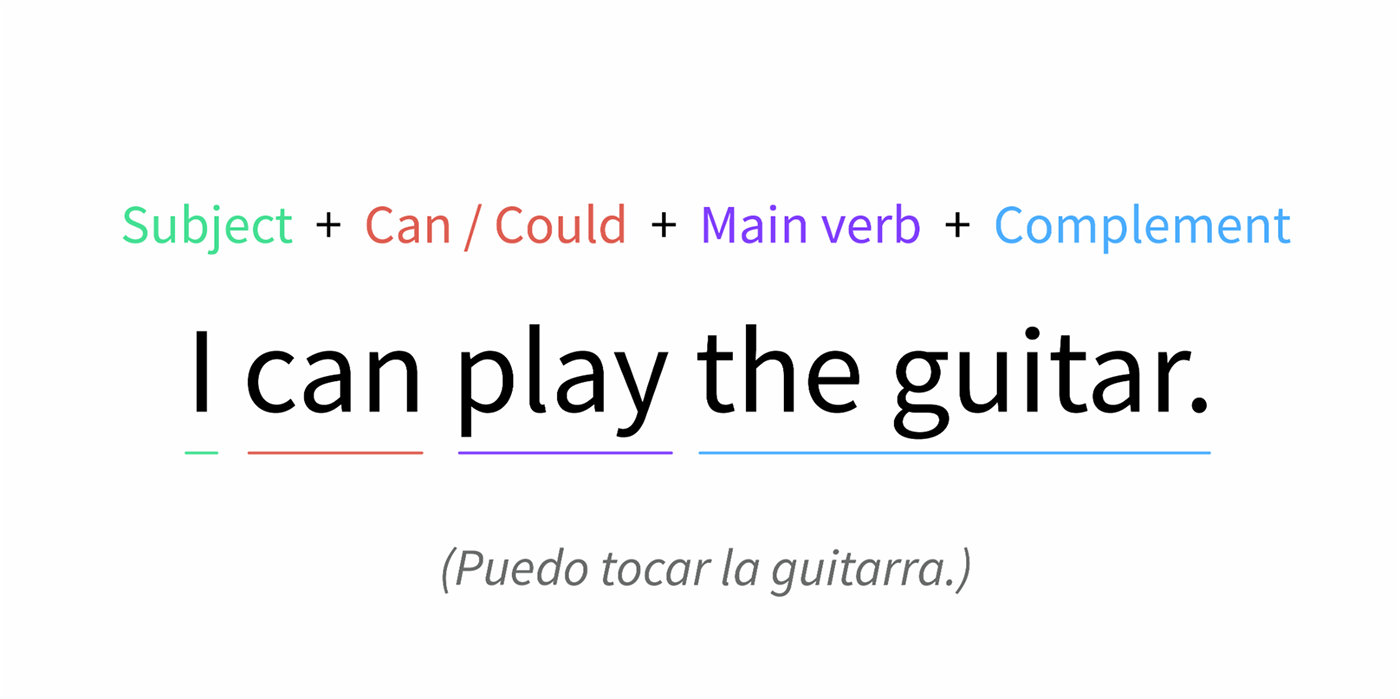
- For the interrogative form. It structure is: Can +suject+ main verb + complement
Can I help you?
Yes, I can
No, I can't
HAVE TO
The modal verb have to means "to have to" and is used to refer to an obligation. For example: Andrea has to deliver the blog before 2 p.m.
Important: For the 3 person singular it, she, and he. The "have to" is replaced by "has to" only in the affirmative form.
For example:
He doesn't have to make breakfast so I don't have to make a dinner
Does she have to clean the kitchen right now?
Yes,she does
No, she doesn't
Do you have to stay later?
Yes, I do
No, I don't
Sentences with can and have to
- I have to study to win the test. However, I can organize my time to do all my homework and go out. I have to stop procrastinating.
- My cousin can be early if he gets up early.
- I can learn to play the guitar and my cousin can sing.
- I can't do everything by myself, sometimes I have to ask for help and that's okay.
- Can the sun come out after the storm?
- If there are gray nines in the sky it can rain.
- Doesn't she have to go for a run?
- We can't do the kite activity because there is no wind. We have to find another strategy
- Actually Sofia has to sleep at least 6 hours to have a good day. Does she have to sleep early?


Lesson 2.
A. Hey Amber, why don't we go bike riding?
B. Great idea. When's good for you?
A. Saturday afternoon, is that okay with You?
B. Sorry, I can't. I have to do homework
A. I understand, how do You think about the other week?
B. That's good for me. I can come on friday
A. Cool, I have to buy some things at two o'clock pm but then I'm free. Can't You come at four o'clock?
B. Yes, I can. We can go to the Malecón
A. Fantastic!
B. Then, we have to meet at four o'clock at the park to go there
A. Exactly. Bye Ámbar, see you later
B. See you next time Andrea.
PRESENT SIMPLE
The present simple is a verb tense use to talk about habits, routines or events that are repeat in a certain time, also to give indications.
For example: I have lunch 4 Pm
You send english homework every monday morning
she goes down this avenue to the library, then crosses.
Affirmative Sentences:
-For the third person singular When verbs end in -o, -sh,
-ch, -ss, -x and -z you must add es at the end. For example: go, wish, catch,
watch, kiss, miss, fix, push, whiz
For example:
Marianela watches an anime names One piece.
Andrea misses the biology class.
she fixes the bike, but she change the color of the
tires.
-For verbs ending in y, replace the y with i. Then add es. For example: worry, Study, cry,
spy, Stay
For example:
He worries about do his work.
Luis studies a lot for the today's exame.
My brother cries because he broke up with his girlfriend.
-Another exception is for verbs ending in y. Where a vowel
precedes the y, the y is retained and the s is added.
For example:
She pays the english book
Carlota says what she knows about the problem.
Luis enjoys the conversation of Carlos y Miranda.
Negative sentences:
I don't have any idea about the computer sistem.
She thing that she doesn't deserve the gift you give her.
We don't have the intention of go to teh party.
Interrogative sentences
For example:
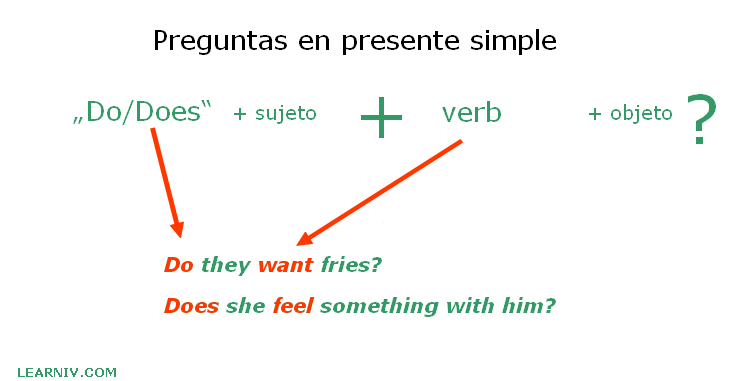
Does she have an exam on monday?
yes, she does
No, she doesn't
Do you eat every day?
Yes, I do
No, I don't
Do you have my bag?
Yes, I do
No, I don't
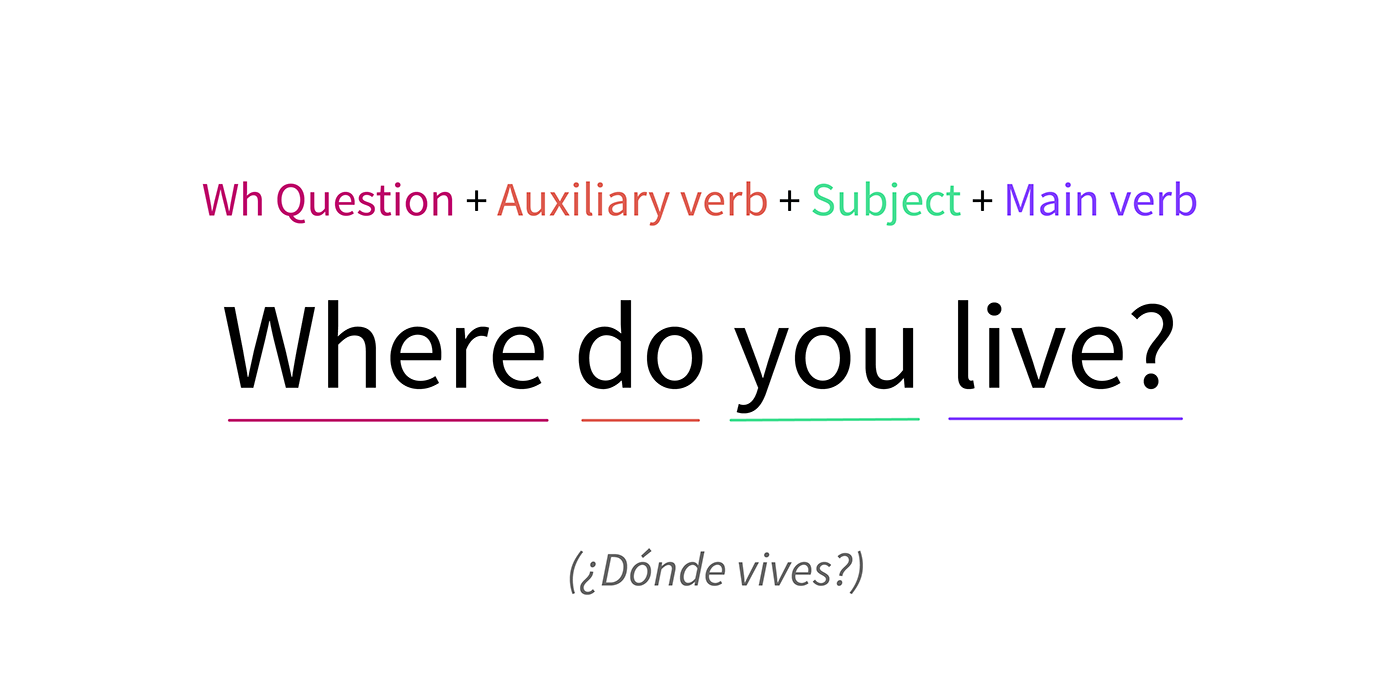
Wh questions
Carlos lives in Barranquilla
Who doesn't care about the clamete change these days?
probably no one.
what do you mean when you say you don´t love her?
I mean that I don´t care about her anymore.
PRESENT CONTINUOUS
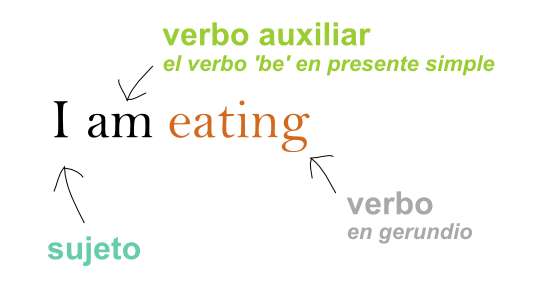
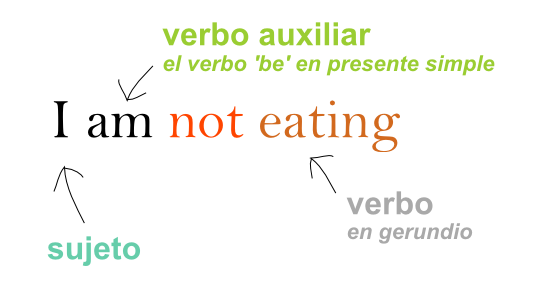
Is use to refer to actions that are happening at the moment and to express with certainty events or actions in the future.
The present continuous differs from the simple present tense because.
1. Adverbs of frequency are widely used in the present simple. For example
Structure
Affirmative Negative
*I'm cooking the salad *we're not slepping 8 hours, we're tired
*She's currently writing a book *she isn't doing the English blog on Friday
*we're learning English *We aren't organizing the picnic
Interrogative
· Are you wondering if the chef will unveil a new
menu at the restaurant ?
· Is the author currently drafting the final of their novel?.
·Are they discussing the new project proposal?
To consider!
1. When a verb has only one syllable and ends in a consonant, the last letter must be doubled and the ing added. (run, cut, swim)
For example:
-I'm mopping the room
-Andres isn't running on the sunday for the competition
-Is not the scissor rutting the foami?
2. verbs ending in e, the e are omitted and ing is added. (date, take, ride, make)
For example:
-You are'nt taking it seriously
-They're dating
-I'm making a decision very difficult
3. When a verb ends in ie, these letters should be replaced with y and ing added.
For example
-I'm trying to do things right
-He's flying in plane
-She is not dying of love
I'm going to talk about activities that I do and will do in the future.
I am studying medicine to be an integral professional, this road is long and short at the same time, almost every day I get up early to go to the U and return home in the afternoon, I bathe and make my dinner. In the future, I want to speak English, travel and be able to serve from my profession in foundations or brigades, there are also many groups of doctors without borders, I would like that for me, to know the world, cultures, people and be grateful to my family for all their effort and support. At the moment I am doing the English blog, then I have to study and I plan to eat an ice cream afterwards and if I have enough time I will watch a movie.






No hay comentarios.:
Publicar un comentario